Survey, 2011-08-24, Baltic Sea

Gdańsk Bay, south-eastern Baltic blooms

Repeat summer surveys of the south-eastern Baltic off the Polish and Sambian coasts, capturing an intense late-August cyanobacteria bloom, median chlorophyll near 29 µg/L in 2011 against a background of around 0.2 µg/L in the calmer 2006 transect. A direct test of LIF retrieval across two orders of magnitude in the same waters.

Published figures

Interpolated fields from the campaign, reproduced as issued. Plate titles carry the LIFL-9 under its original designation, UFL-9.

Polish coast, 2006

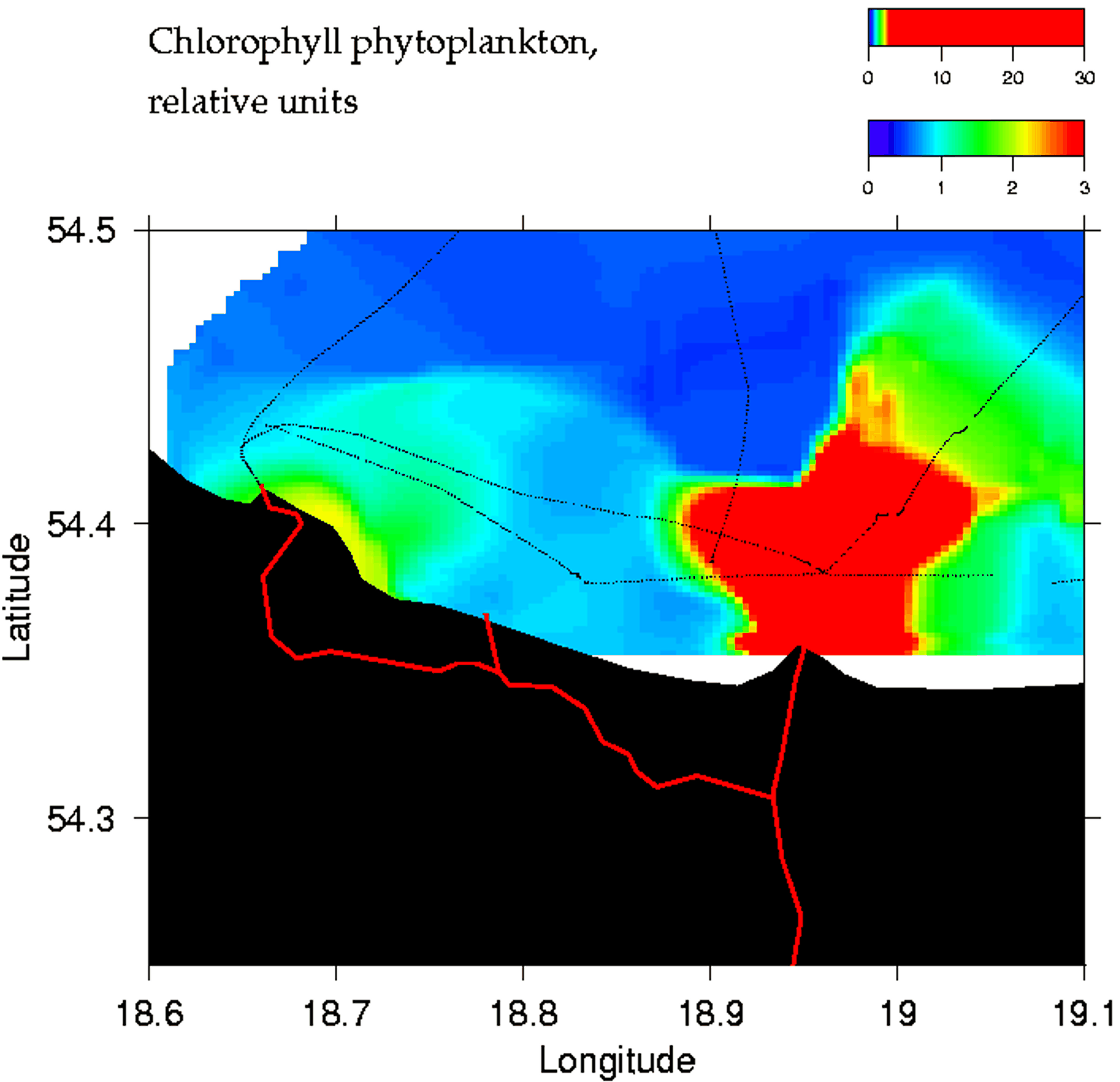
Interpolated phytoplankton chlorophyll field mapped along the lidar track, Gdańsk Bay, Sambian coast, Polish coast, 2006
Fig. 1Chlorophyll, phytoplankton
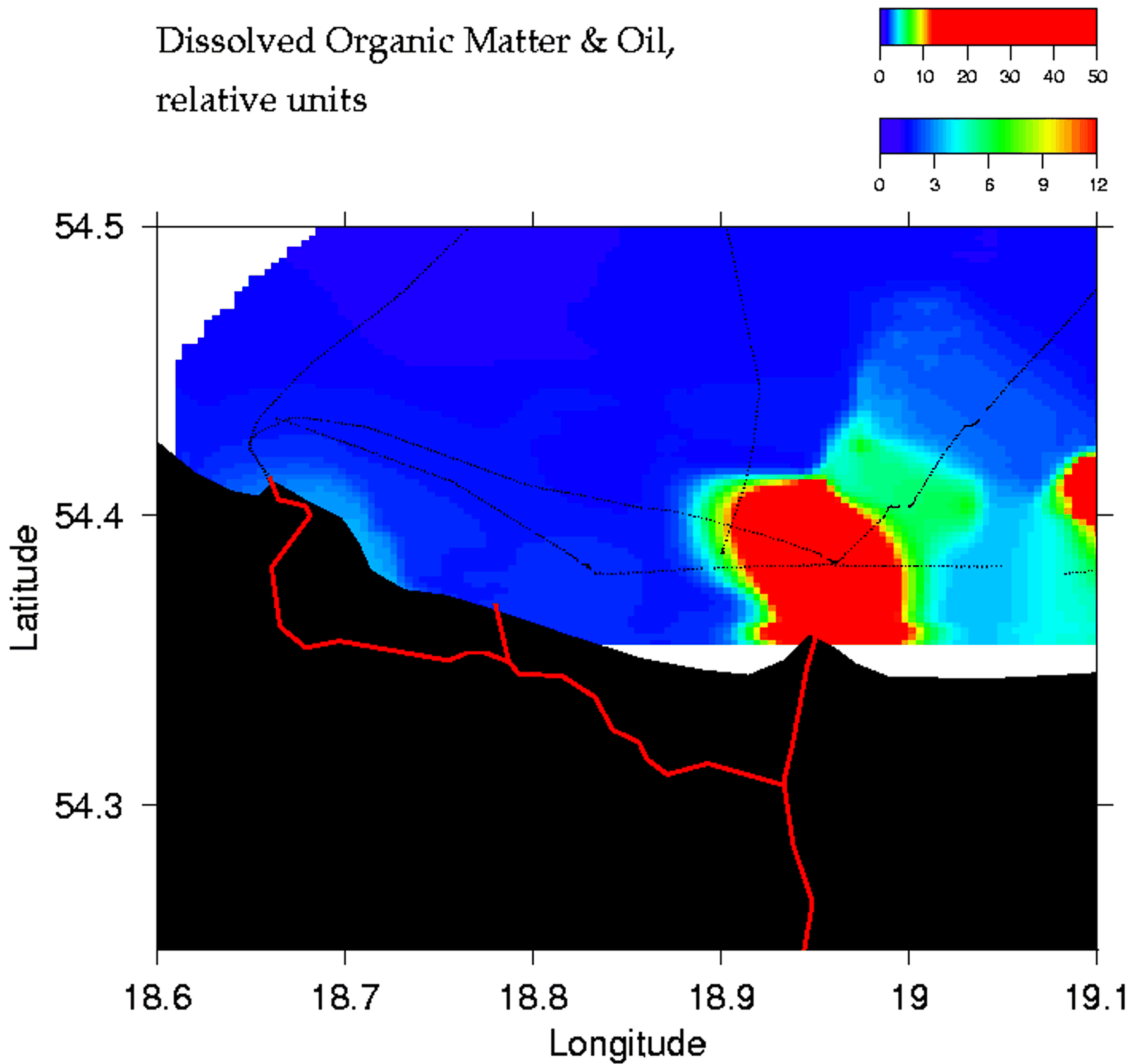
Interpolated dissolved organic matter and oil field mapped along the lidar track, Gdańsk Bay, Sambian coast, Polish coast, 2006
Fig. 2Dissolved organic matter and oil
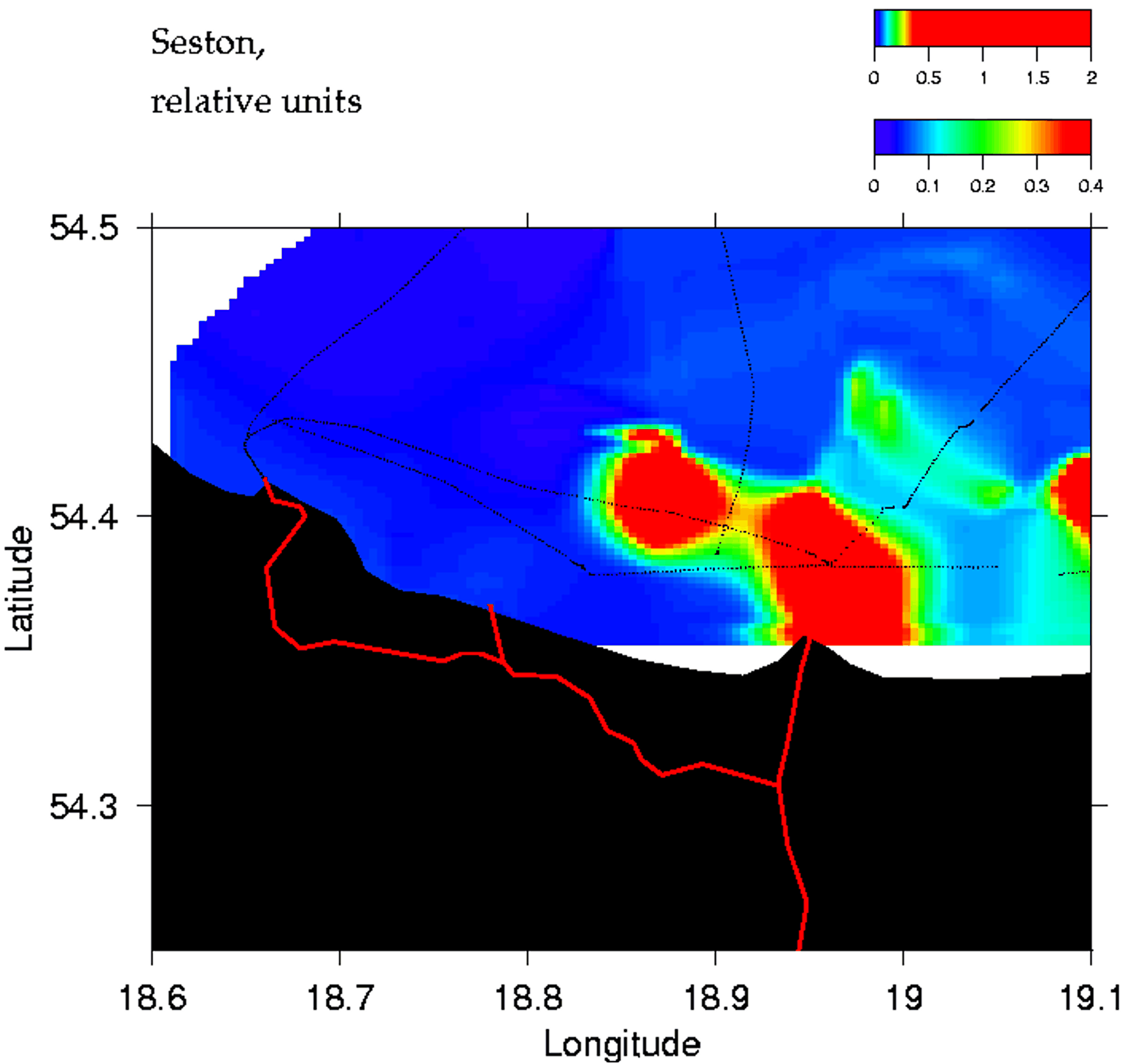
Interpolated seston field mapped along the lidar track, Gdańsk Bay, Sambian coast, Polish coast, 2006
Fig. 3Seston

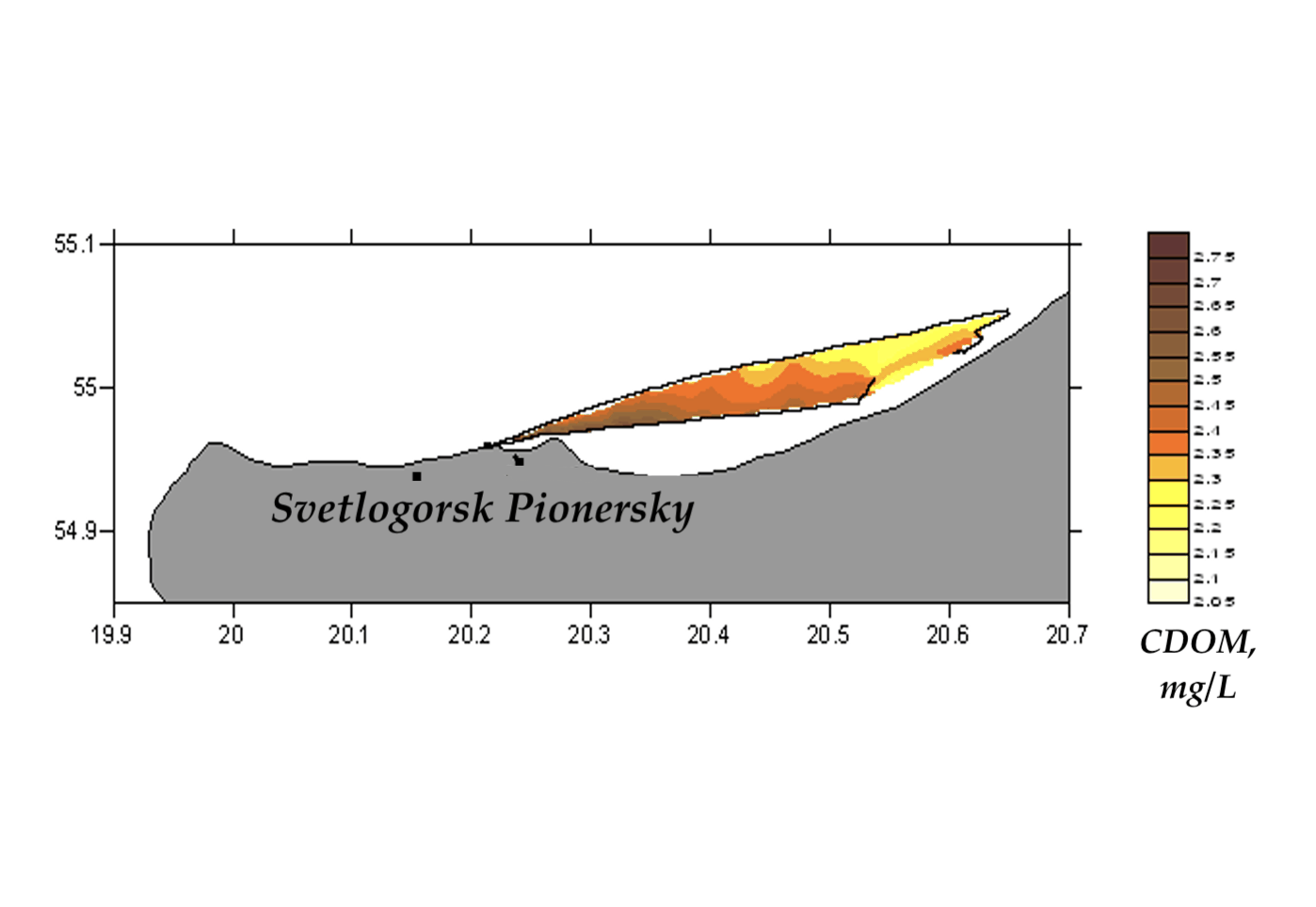
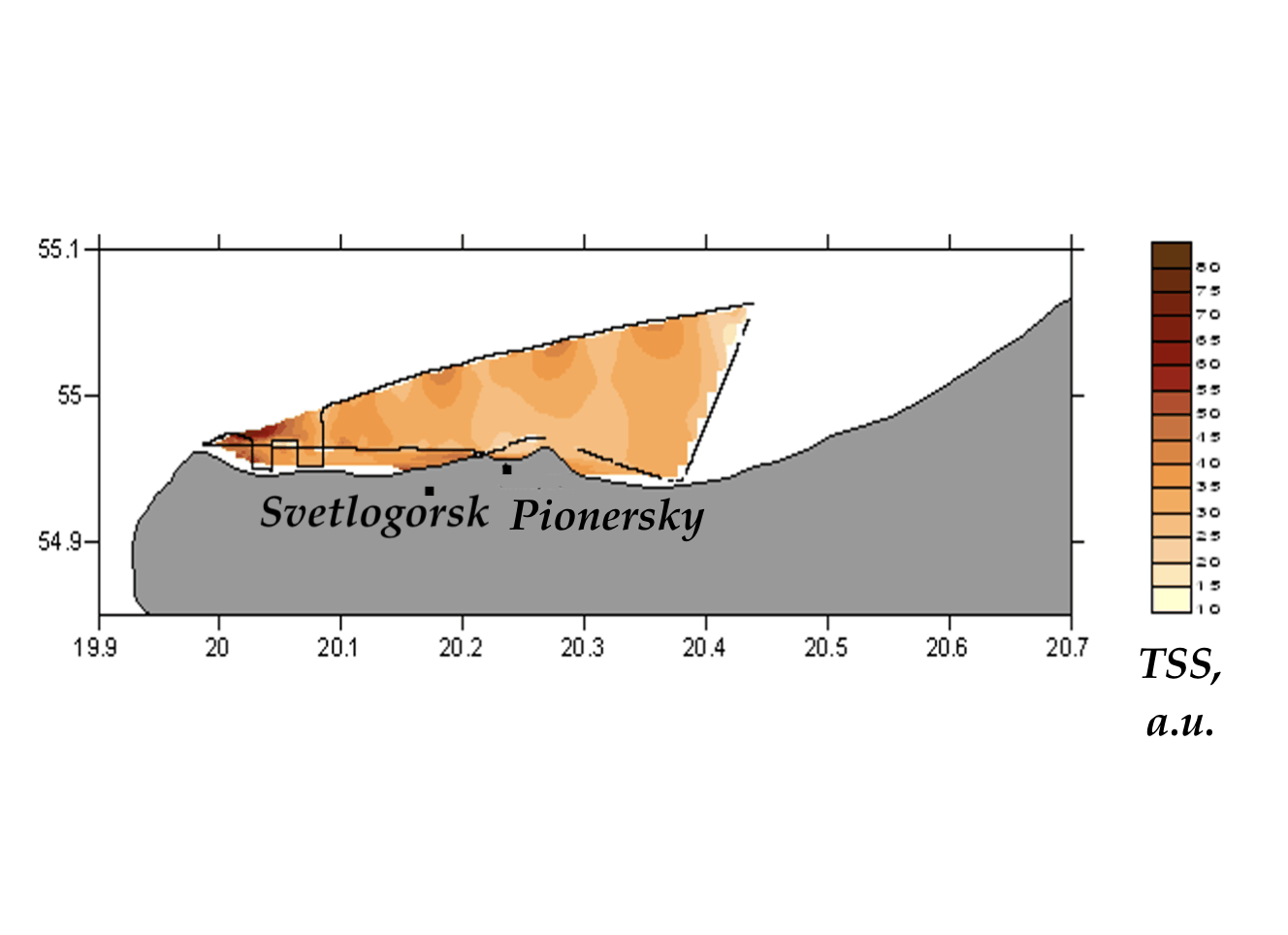
Sambian coast, 2011

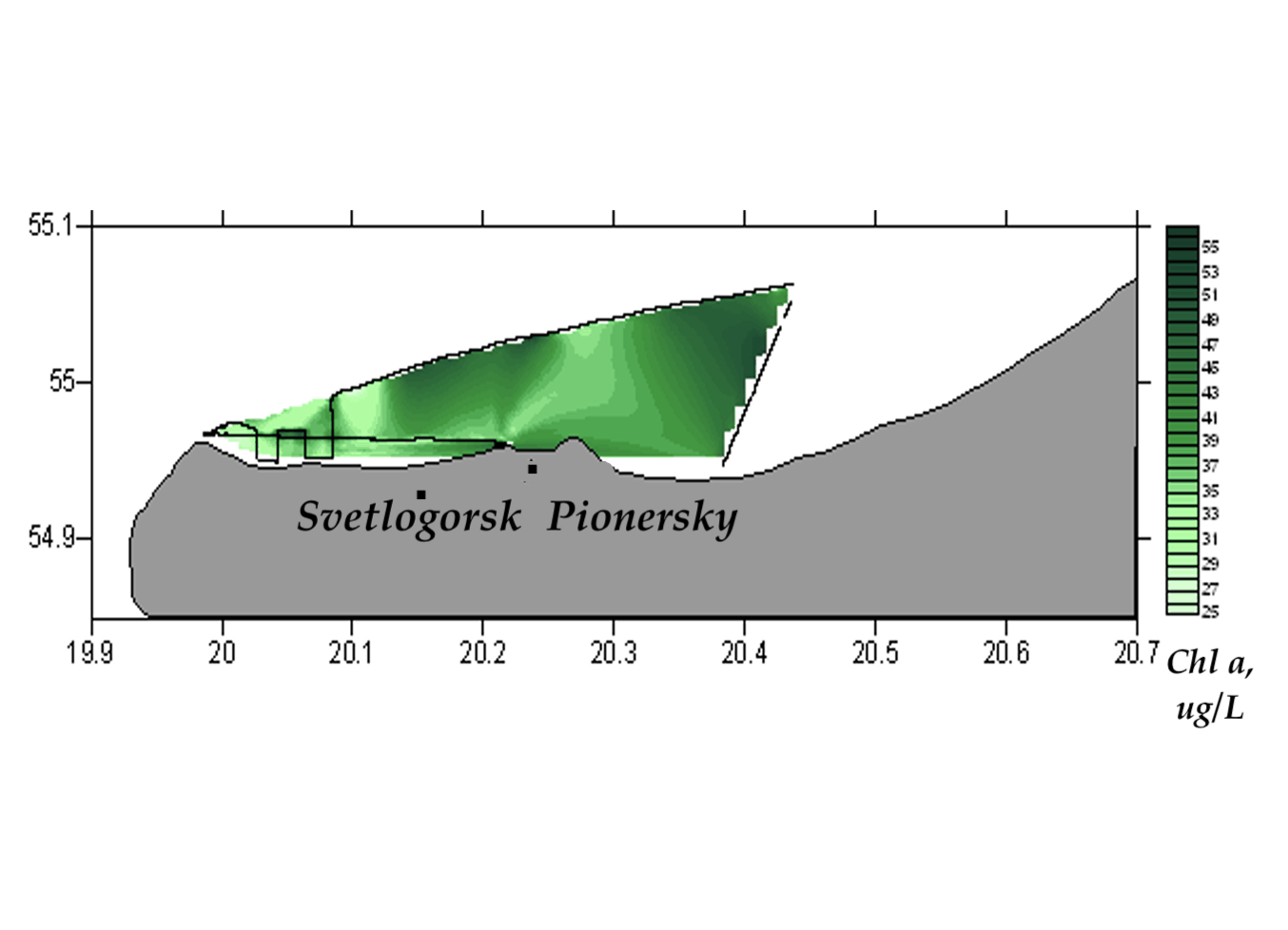
Interpolated chlorophyll a field mapped along the lidar track, Gdańsk Bay, Sambian coast, Sambian coast, 2011
Fig. 4Chlorophyll a
Interpolated CDOM field mapped along the lidar track, Gdańsk Bay, Sambian coast, Sambian coast, 2011
Fig. 5CDOM
Interpolated total suspended solids field mapped along the lidar track, Gdańsk Bay, Sambian coast, Sambian coast, 2011
Fig. 6TSS
Gdańsk BayBaltic Sea
2 km
● Baltic 2011, Sambian coast, 2011-08-2426,067 measurements IDW interpolation, 600 samples
Chl-a0.0052.0µg/L
CDOM0.544.16a.u.
TSS1.0116.0mg/L

Fig. 7 Campaign scan. 26,067 lidar returns along the ship track, switchable across Chl-a, CDOM, TSS. Field view interpolates the channel across the surveyed water from the same measurements (inverse-distance weighting). Shoreline: Natural Earth.

The shallow south-eastern corner of the Baltic, off the Polish coast and the Sambian Peninsula, develops dense cyanobacterial blooms in late summer. A LIF LiDAR sampled this coast across two seasons, a longer June 2006 transect through Gdańsk Bay and a short, sharp August 2011 survey into a bloom that pushed median chlorophyll a near 29 µg/L, with peaks well beyond.

Surface accumulations of this kind are patchy and short-lived; their optical signature swamps the rest of the water column and breaks retrievals calibrated for open water. Holding the same instrument and method across the quiet background of 2006 and the bloom of 2011, a span of more than two orders of magnitude in chlorophyll, is a concrete check on dynamic range in genuinely difficult coastal conditions.